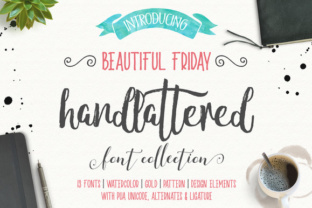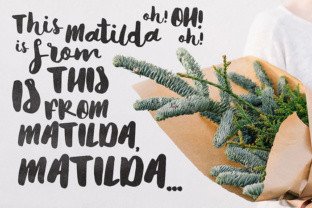
Matilda: The Funky Typeface That Speaks to the Creative Spirit
In a world where digital communication often feels sterile and uniform, the desire for personality and expression in design has surged. This is where a typeface like Matilda shines. Matilda isn't just a collection of letters; it's a visual attitude, a funky declaration of style that instantly captures attention and conveys a mood of playful confidence. Its relevance today is rooted in a cultural shift towards authenticity and bespoke branding, where even a small business or a hobbyist project seeks to stand out with a distinct visual voice.
Breaking the Mold: Why Funkiness is Now a Functional Choice
The adoption of expressive typefaces like Matilda aligns with broader trends in both professional and personal spheres. Modern workflows, particularly for entrepreneurs, marketers, and freelancers, demand tools that are both efficient and distinctive. User expectations have evolved; audiences are drawn to brands that feel human and approachable rather than corporate and cold. A funky font can bridge that gap instantly. It’s a rejection of the overused, safe sans-serifs that dominate many interfaces, representing instead a deliberate choice for memorability.
This trend isn't about nostalgia alone; it's a functional response to market saturation. In crowded digital spaces, a strong typographic identity can be as crucial as a logo. Matilda, with its energetic curves and distinctive character, offers that identity without the need for complex illustration. It fits into the creative practice of individuals who may not have extensive design training but understand the power of a good first impression.
The Practical Versatility of a Bold Font
The assertion that this funky typeface is perfect for posters, t-shirts, invites, letterheads and much more is grounded in its inherent design qualities. Matilda typically possesses a balanced weight and clear letterforms that maintain legibility even while exuding personality. This makes it exceptionally versatile.
- For Posters and Event Graphics: Its inherent energy commands attention from a distance, making it ideal for promotional materials that need to compete in a visually busy environment.
- For T-Shirts and Merchandise: Apparel design thrives on typography that feels wearable and cool. Matilda’s style can translate a brand’s ethos or a personal motto into a graphic statement people want to carry on their clothes.
- For Invitations and Personal Stationery: Whether for a wedding, a party, or a workshop, invitations set the tone. Using Matilda suggests an event that will be lively, contemporary, and thoughtfully crafted.
- For Letterheads and Business Collateral: Even in professional contexts, a carefully chosen funky font on a letterhead or invoice can redefine a company’s image. It signals creativity and confidence, appealing to clients who value those traits.
The key is understanding that "funky" does not mean "unprofessional." When applied with intention—such as using it for headlines while pairing it with a neutral body font—Matilda elevates materials from generic to bespoke.
From Novelty to Necessity: The Evolution of Expressive Typography
Decorative typefaces were once relegated to niche uses or seen as mere novelties. Their evolution into serious tools for creators and businesses mirrors the democratization of design software and the rise of the creator economy. Professionals, educators, and bloggers now regularly produce their own visual content, and the font choices they make are direct extensions of their content's message.
People are paying more attention to typefaces like Matilda because the tools to use them are accessible. Font marketplaces and subscription services have put thousands of unique fonts at everyone’s fingertips. Furthermore, lifestyle shifts towards personal branding and side projects mean that individuals are constantly seeking assets that reflect their unique identity. A typeface becomes a part of that toolkit.
Integrating Matilda into Your Creative and Business Workflow
The practical implications for users are straightforward. First, assess your project's core message. Is it friendly, bold, artistic, or unconventional? If so, Matilda might be a strong contender. Second, consider contrast. Use Matilda for primary messaging and support it with a simple, readable font for longer text. This ensures functionality isn’t sacrificed for style.
For a small business owner, using Matilda on a limited run of promotional posters or a special edition product label can create a memorable campaign touchpoint. For a blogger, using it for featured article titles can give a website a consistent and recognizable visual hook. For an educator designing a workshop handout, it can make the material feel more engaging and less formal.
Realistic recommendations include starting small. Don’t overhaul every document with a funky font immediately. Test it on a single project—a new event invite, a proposal cover page—and gauge the response. The goal is strategic enhancement, not overwhelming decoration.
Looking Forward: Typography as a Signature
The future of design continues to lean towards personalization. As technology enables more customization, the expectation for unique visual elements grows. Typefaces like Matilda will remain valuable because they offer a pre-packaged personality that can be applied instantly. They are a shortcut to differentiation without the cost of custom illustration.
This isn’t a prediction that every brand will turn funky, but rather that the thoughtful use of expressive typography will become a more common and accepted tool across levels of expertise. The discerning choice of a font like Matilda signals an understanding that form supports function, and that in a world of endless digital output, a little distinctive flair can go a very long way. It allows the creator to say something important before the reader even absorbs the first word.